The Role of Social Dance in Community Building
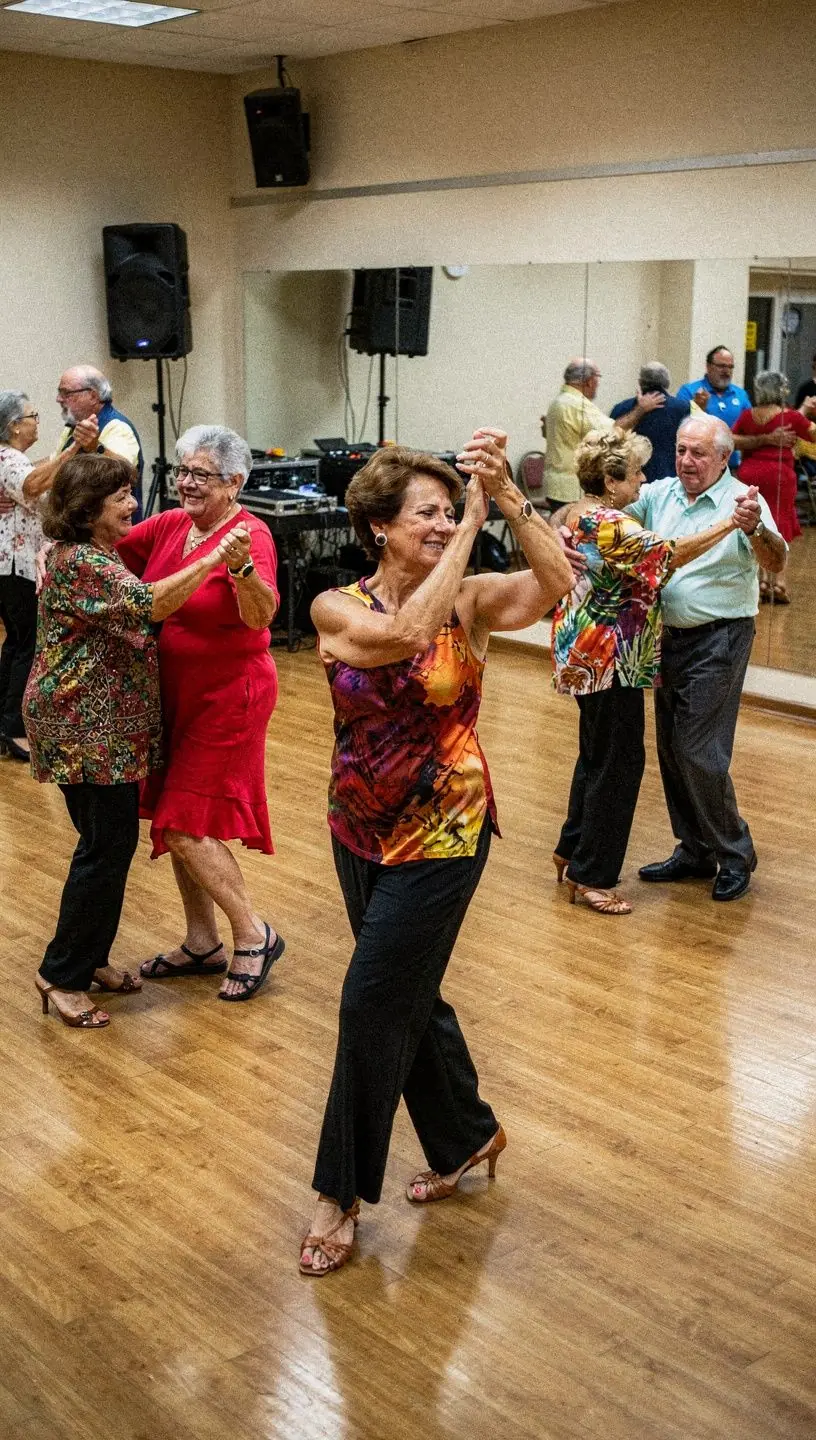
Social dance has long been recognized as more than just an enjoyable pastime; it serves a significant role in building community ties. This article explores the intersection of social dance, particularly styles like bachata and salsa, and community building, providing insights into how these activities foster connections among participants.
Understanding the Basics of Social Dance
Social dance refers to dance intended primarily for socializing rather than performance or competition. Styles such as bachata and salsa are prevalent in many cultures and have been shown to enhance interpersonal connections. According to research from the American Journal of Public Health, engaging in dance can lead to increased feelings of belonging and community support.
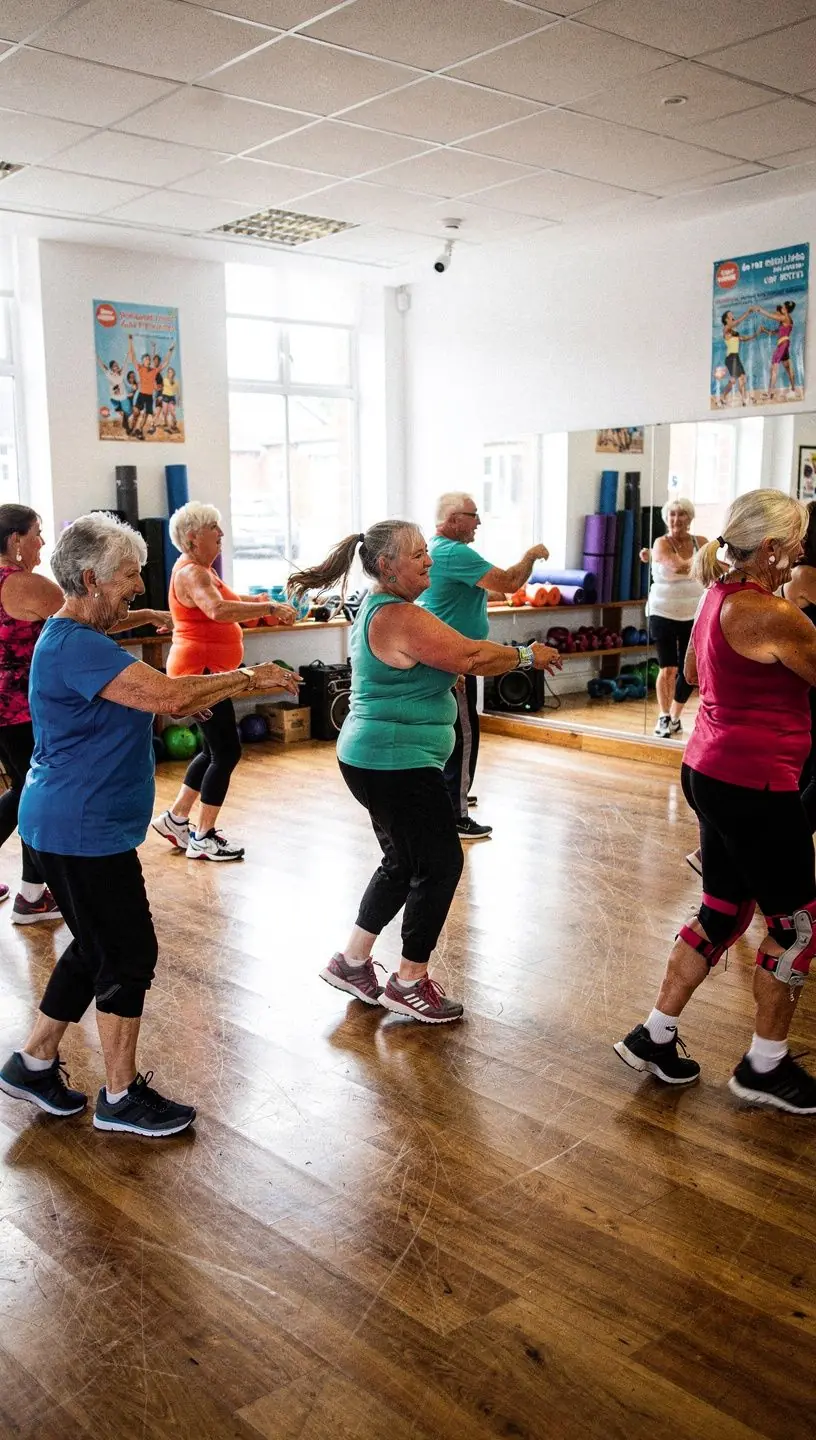
"Participating in social dance can strengthen community ties and promote mental well-being." - Dance Research Experts
The Benefits of Social Dance for Community Building
Several key benefits arise from incorporating social dance into community programs:
- Enhanced Social Interaction: Research indicates that social dance creates opportunities for meaningful interactions, allowing individuals to connect on a personal level.
- Improved Mental Health: Many users report reduced anxiety and improved mood when participating in group dance activities. Studies show that physical activities, including dancing, release endorphins that foster a sense of well-being.
- Inclusive Environment: Social dance is often accessible to people of all skill levels and backgrounds, promoting inclusivity. As stated by community organizers, creating an open and welcoming atmosphere is crucial for building strong community bonds.
How Social Dance Promotes Community Engagement
The principle behind social dance fostering community engagement lies in its structure. Typically, dance classes or events focus on collaboration and interaction, where participants learn from one another. This method not only builds skills but also cultivates friendships and networks.
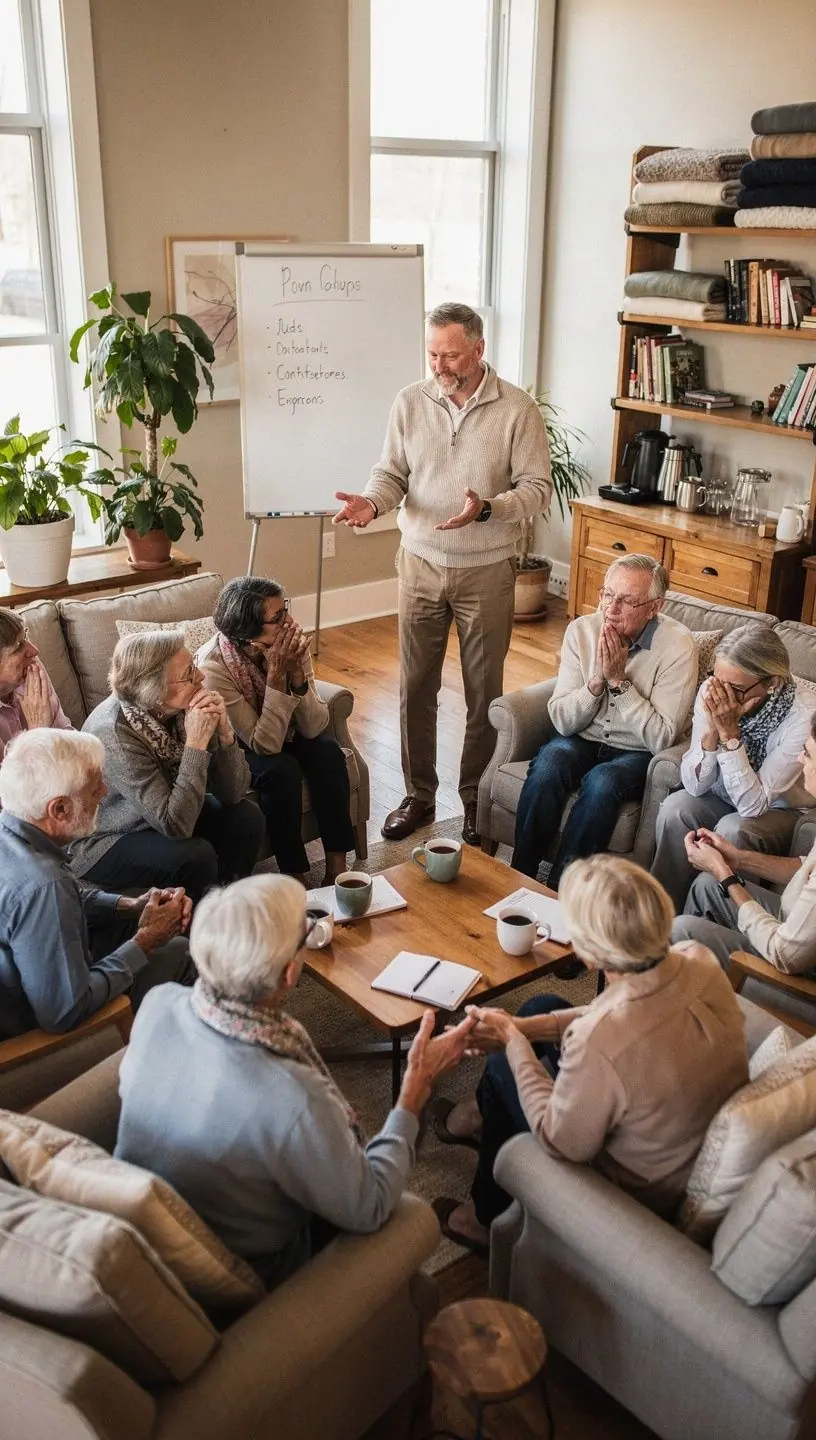
Furthermore, many community organizations integrate social dance into their programs, such as those mentioned in the context of life transition coaching centers. These programs often include:
- Workshops: Where participants can learn dance skills while also engaging in discussions about shared experiences.
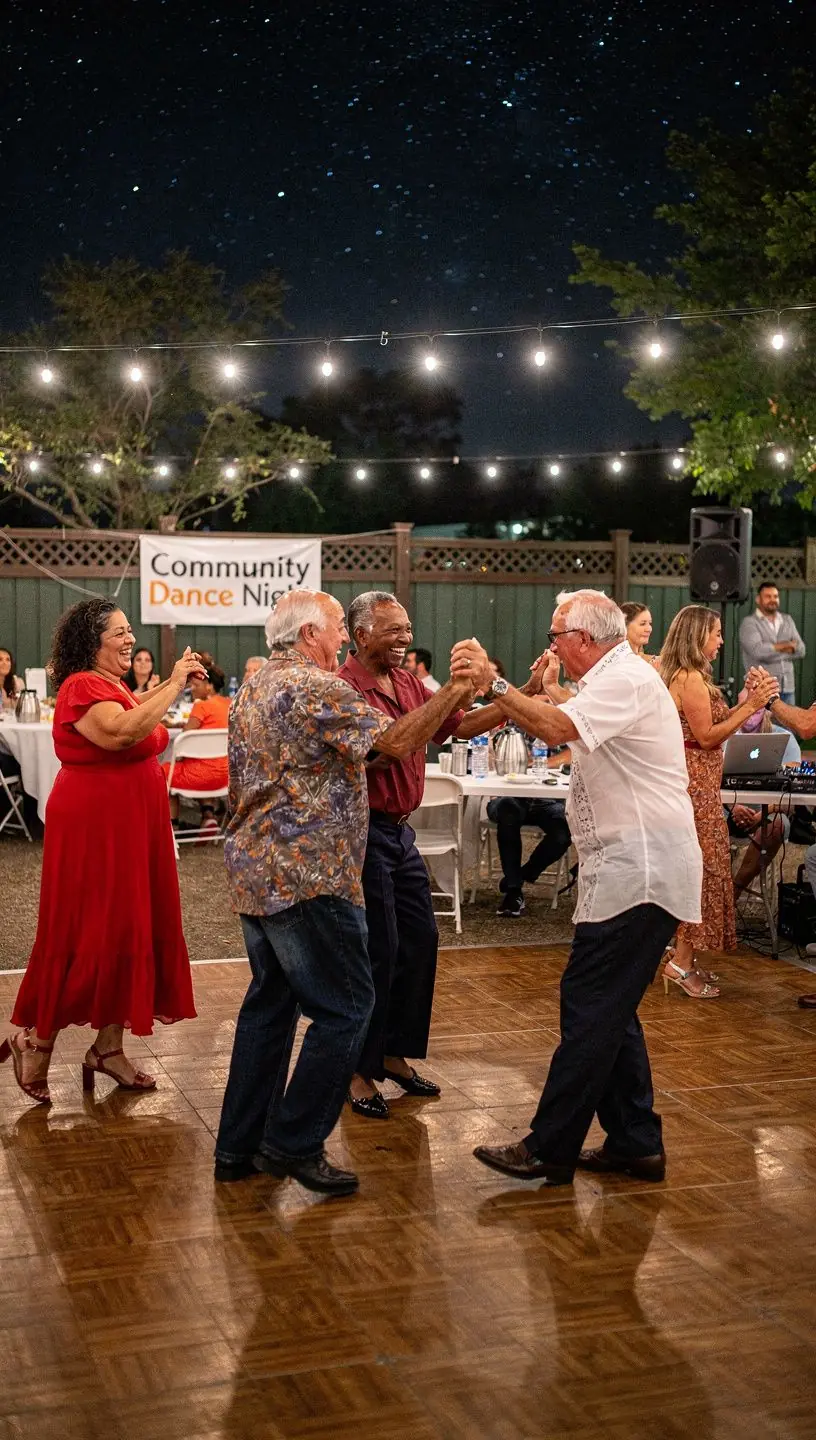
- Regular Dance Events: These events create consistent opportunities for community members to come together, fostering a sense of belonging.
- Collaborative Projects: Many centers encourage participants to organize dance events, thus giving them ownership and a stake in the community.
Challenges and Considerations
While social dance can be a powerful tool for community building, it is essential to acknowledge some limitations. Engaging in social dance typically requires:
- A commitment of time; regular participation is often necessary to build relationships.
- A willingness to learn; some individuals may find the initial learning curve challenging.
- Comfort with social settings; for those who are more introverted, joining a dance group may feel daunting initially.
Conclusion
In conclusion, social dance can play a significant role in fostering community connections, enhancing mental well-being, and providing a platform for social interaction. While it may require dedication and a willingness to engage with others, the rewards typically manifest in strengthened community ties and a greater sense of belonging. As more communities embrace social dance programs, they pave the way for healthier, more connected environments.
Learn More