How to Balance Life Changes with Social Activities
Navigating major life transitions can be challenging, and many individuals find it difficult to balance personal growth with social engagement. This article explores how participating in social activities, particularly through dance, can support emotional well-being during times of change.
Understanding the Importance of Social Connection
Research indicates that social connections play a vital role in mental health and well-being. According to a study published in the American Journal of Public Health, individuals with strong social ties are often healthier and report higher life satisfaction. This suggests that during life transitions, engaging in social activities can help mitigate feelings of isolation and promote resilience.
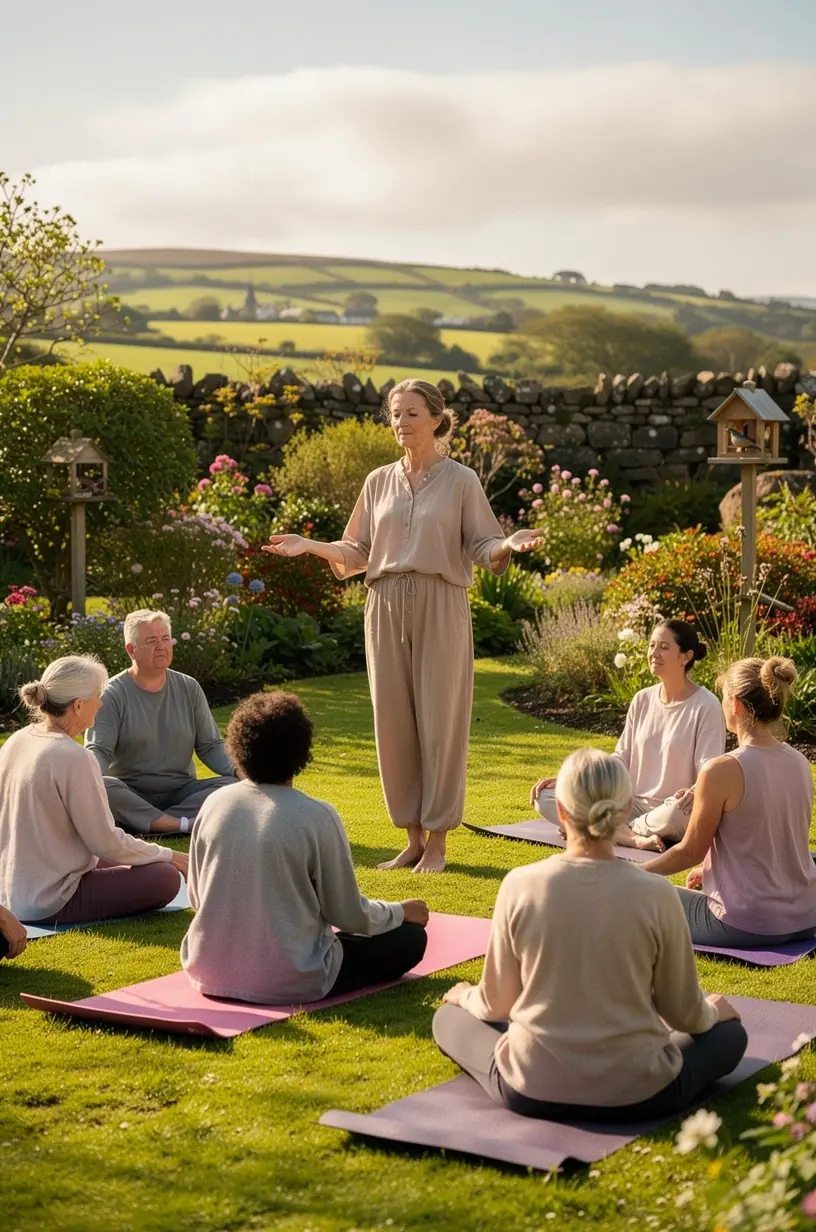
"Social connections can significantly improve emotional resilience, especially during challenging life changes."
Why Social Dance?
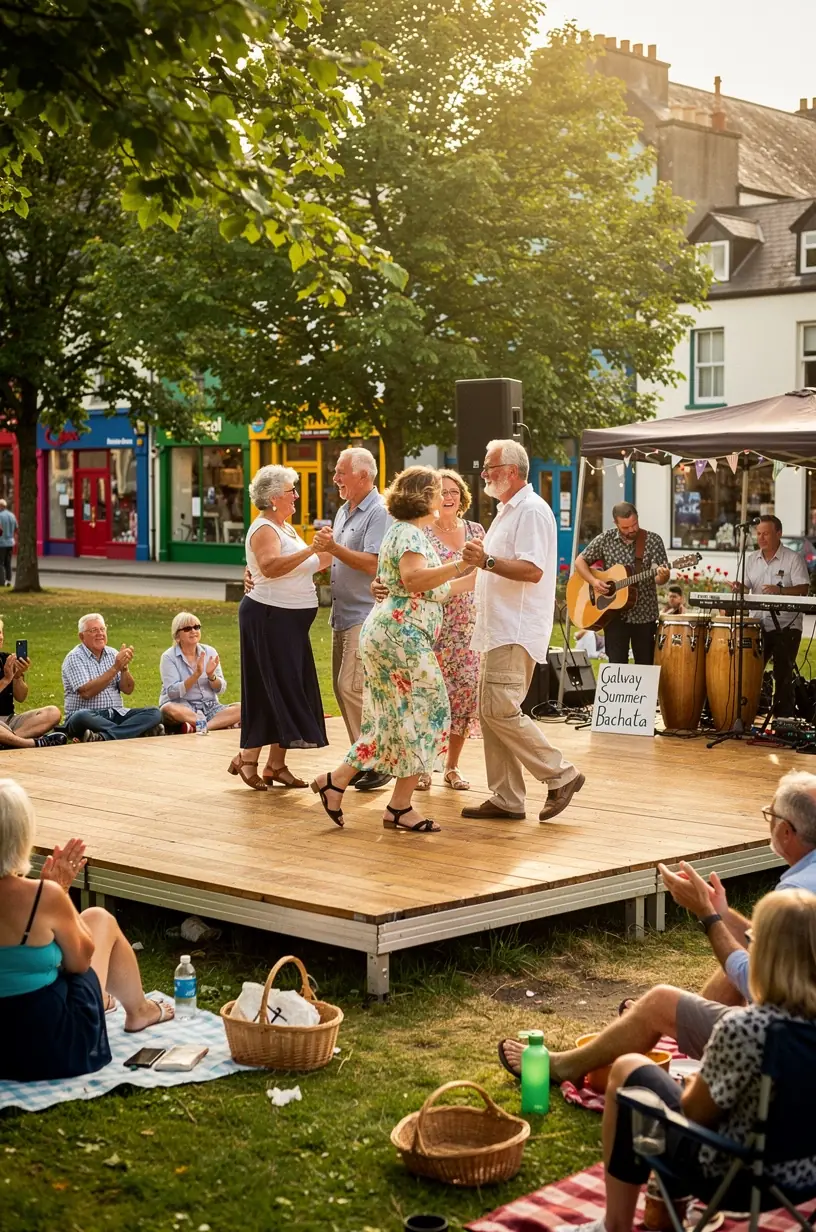
Social dance forms, such as bachata and salsa, are not only enjoyable but also provide numerous benefits that can help balance life changes:
- Community Building: Dance classes often foster a sense of belonging, which can be particularly beneficial during transitions.
- Physical Activity: Engaging in movement releases endorphins, which can improve mood and reduce stress, according to Harvard Health Publishing.
- Skill Development: Learning a new dance form requires focus and dedication, which can shift attention away from stressors and help individuals feel accomplished.
Integrating Dance into Your Routine
Incorporating social dance into your life typically involves a few steps:
- Find a Local Class: Many communities offer dance programs that cater to various skill levels. Consider starting with a beginner class if you're new to dance.
- Commit to Regular Attendance: Regular practice is essential for improvement. Many users report that attending classes twice a week can lead to noticeable progress in about a month.
- Engage with Fellow Dancers: Building relationships with classmates can enhance your social network and provide additional emotional support.
Acknowledge Limitations
While engaging in social dance can be beneficial, it's important to recognize that:
- Commitment is required; individuals may need to devote time for practice, typically around 2-4 hours a week in classes and social events.
- There may be a learning curve associated with mastering new dance techniques, which can be frustrating at first.
- Not everyone may feel comfortable in a social setting, and some might find it challenging to participate initially.
Conclusion
Balancing life changes with active social engagement can be a rewarding approach for emotional well-being. By participating in structured social dance activities, individuals often find community support and emotional upliftment during life transitions. Remember that while engaging in such activities may not eliminate stress entirely, they can be a reliable strategy for enhancing one’s quality of life. Start small, commit to the process, and allow the joy of dance to accompany you through your life changes.
Learn More