The Role of Music and Dance in Healing Journeys
Music and dance are often regarded as mere forms of entertainment, but they play a vital role in healing journeys for many individuals. In this article, we explore how these art forms can contribute to emotional and physical well-being during life transitions.
Understanding the Basics
According to research, engaging with music and dance can significantly enhance mental health and emotional resilience. Studies show that these activities can help reduce symptoms of anxiety and depression, fostering a sense of community and connection. Experts recommend incorporating music and dance into therapeutic practices to create a holistic healing environment.

"Music and dance provide an outlet for self-expression and emotional release, which is crucial during challenging times."
The Science Behind Music and Dance as Healing Tools
The principles behind using music and dance for healing are rooted in psychology and neurology. Here’s how they work:
- Emotional Release: Engaging in dance allows individuals to express emotions that may be difficult to articulate verbally. This physical expression can lead to catharsis, a process that helps many users report feeling lighter and more at ease.
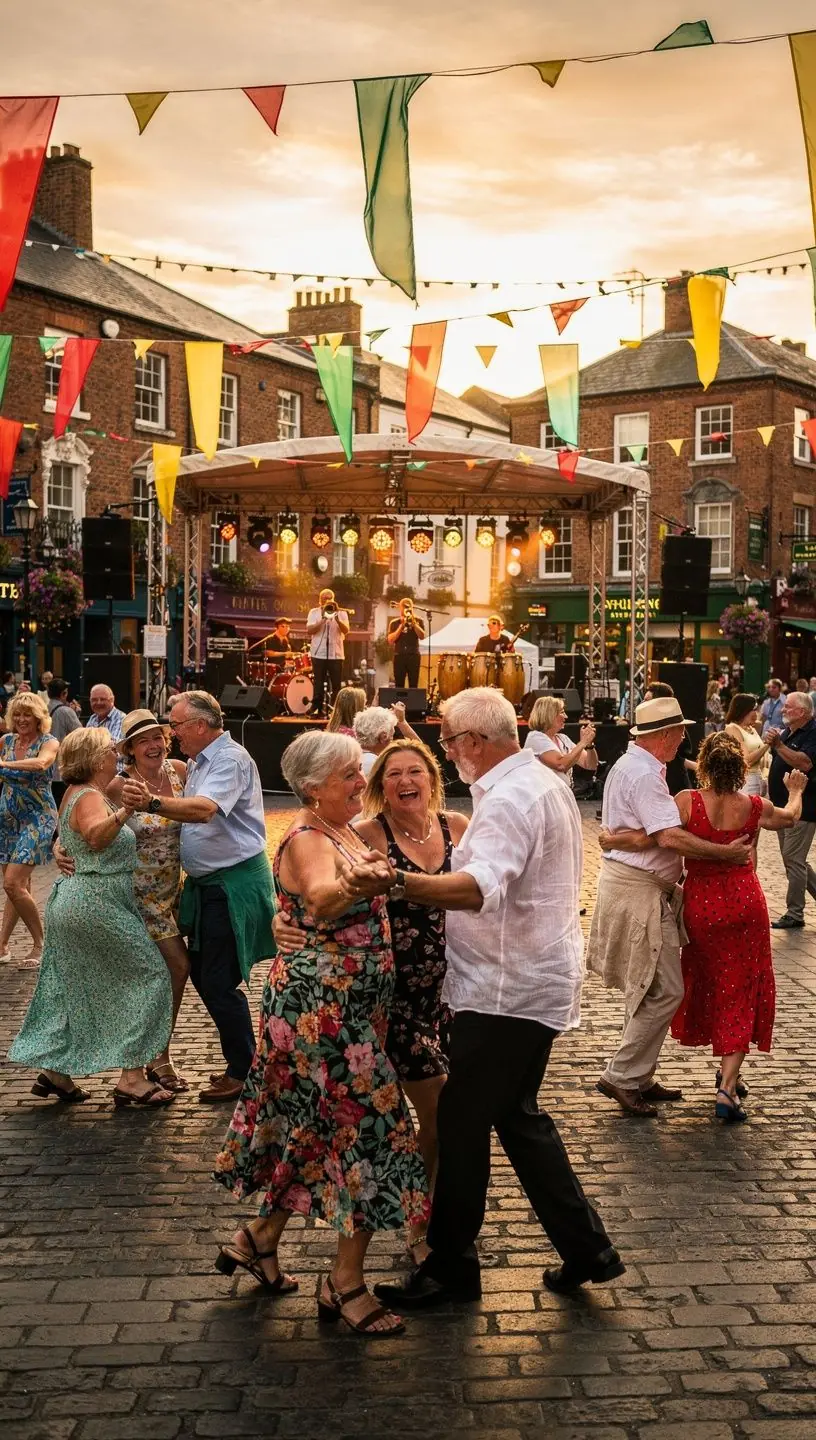
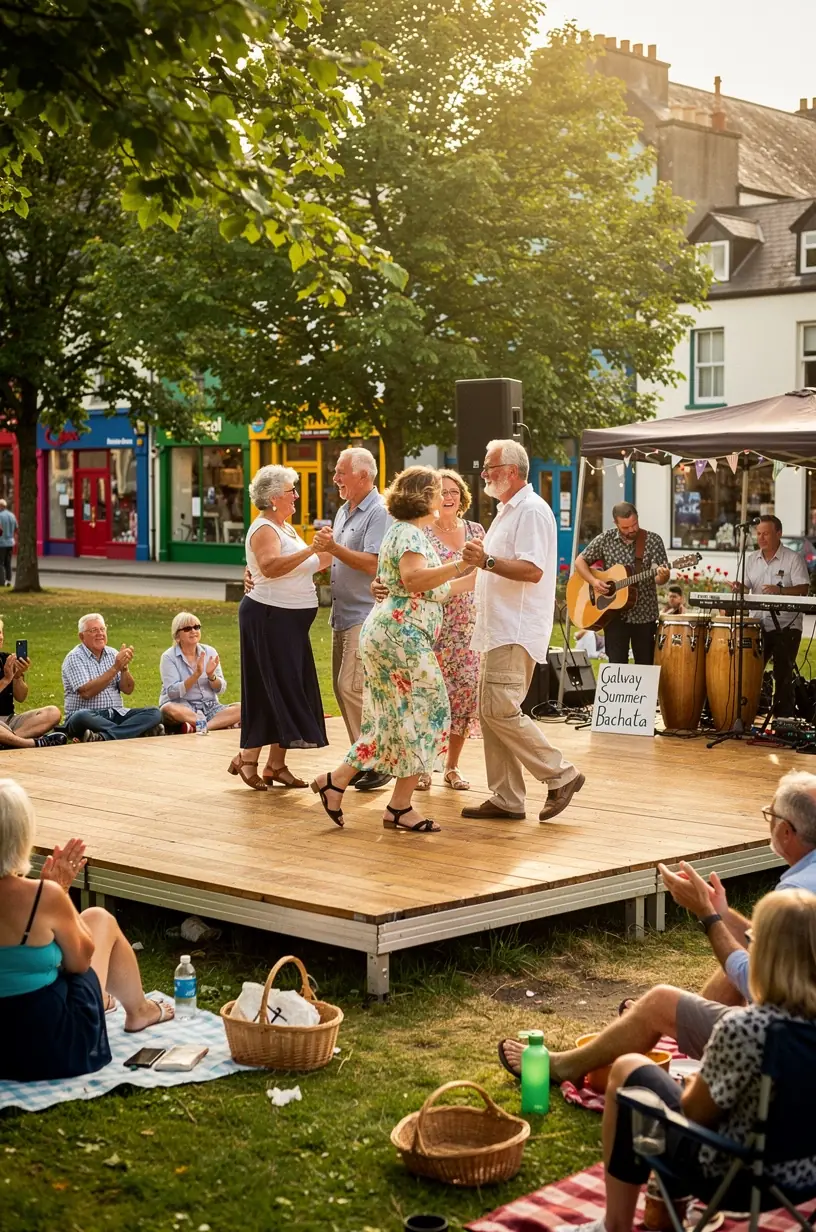
- Social Connection: Participating in group dance classes, such as salsa or bachata, fosters a sense of belonging. According to a study published in the Journal of Music Therapy, social interactions through music and dance can enhance feelings of support and reduce feelings of isolation.
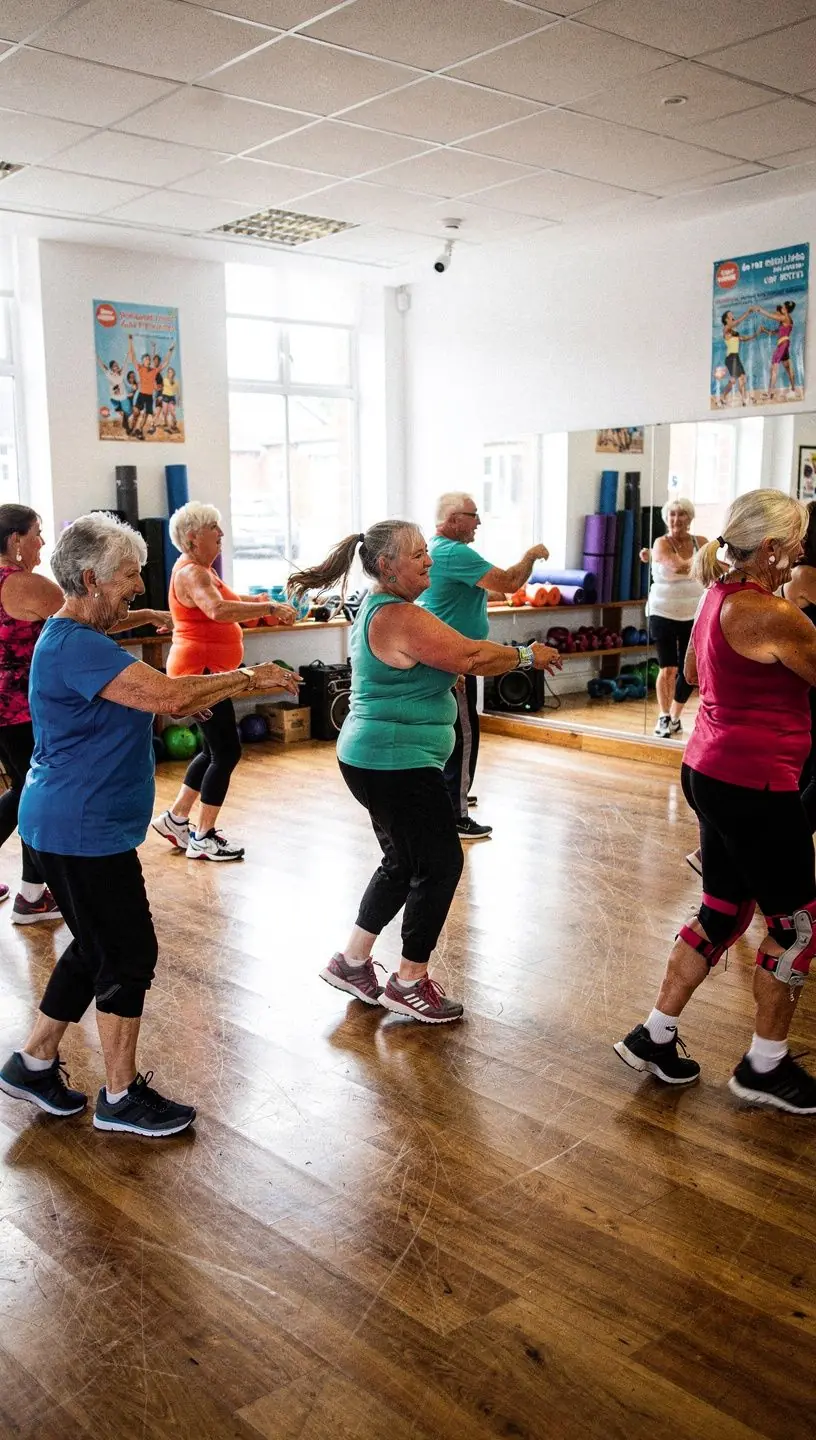
- Physical Benefits: Regular movement through dance helps improve physical health. The American Heart Association suggests that moderate physical activity can lower the risk of chronic disease and boost overall well-being.
Practical Application in Life Transition Coaching
Incorporating music and dance into life transition coaching can be highly beneficial. Here are some practical strategies that are often employed:
- Group Dance Workshops: These workshops typically take place in community settings and offer a friendly atmosphere for participants to engage in social dance. Expect to commit to a 6-8 week course for noticeable improvements in both physical fitness and emotional well-being.
- Therapeutic Music Sessions: Listening to or creating music can be integrated into coaching sessions. Clients may find that setting aside 30 minutes a week to engage with music significantly enhances their emotional processing.
- Regular Dance Events: Organizations often host social dance events as part of community-building efforts. Participation in these events can help develop social skills and reduce anxiety over time.
Acknowledging Limitations
While music and dance can be effective tools for healing, it is essential to acknowledge their limitations:
- Engaging in these activities typically requires a commitment of time and effort. For best results, participants should be prepared to attend regular sessions and practice outside of class.
- These methods may not be suitable for everyone, especially those with specific physical limitations or severe emotional distress. It is advisable to consult a healthcare professional before starting any new therapeutic approach.
Conclusion
Music and dance offer powerful avenues for healing during life transitions, providing emotional release, fostering connection, and encouraging physical activity. By incorporating these art forms into life transition coaching, individuals may find a supportive and engaging way to navigate their journeys. Remember, the effectiveness of these practices often hinges on individual involvement and commitment, making it essential to approach them with an open mind and willingness to engage.
Learn More