How Group Dance Classes Foster Social Connections
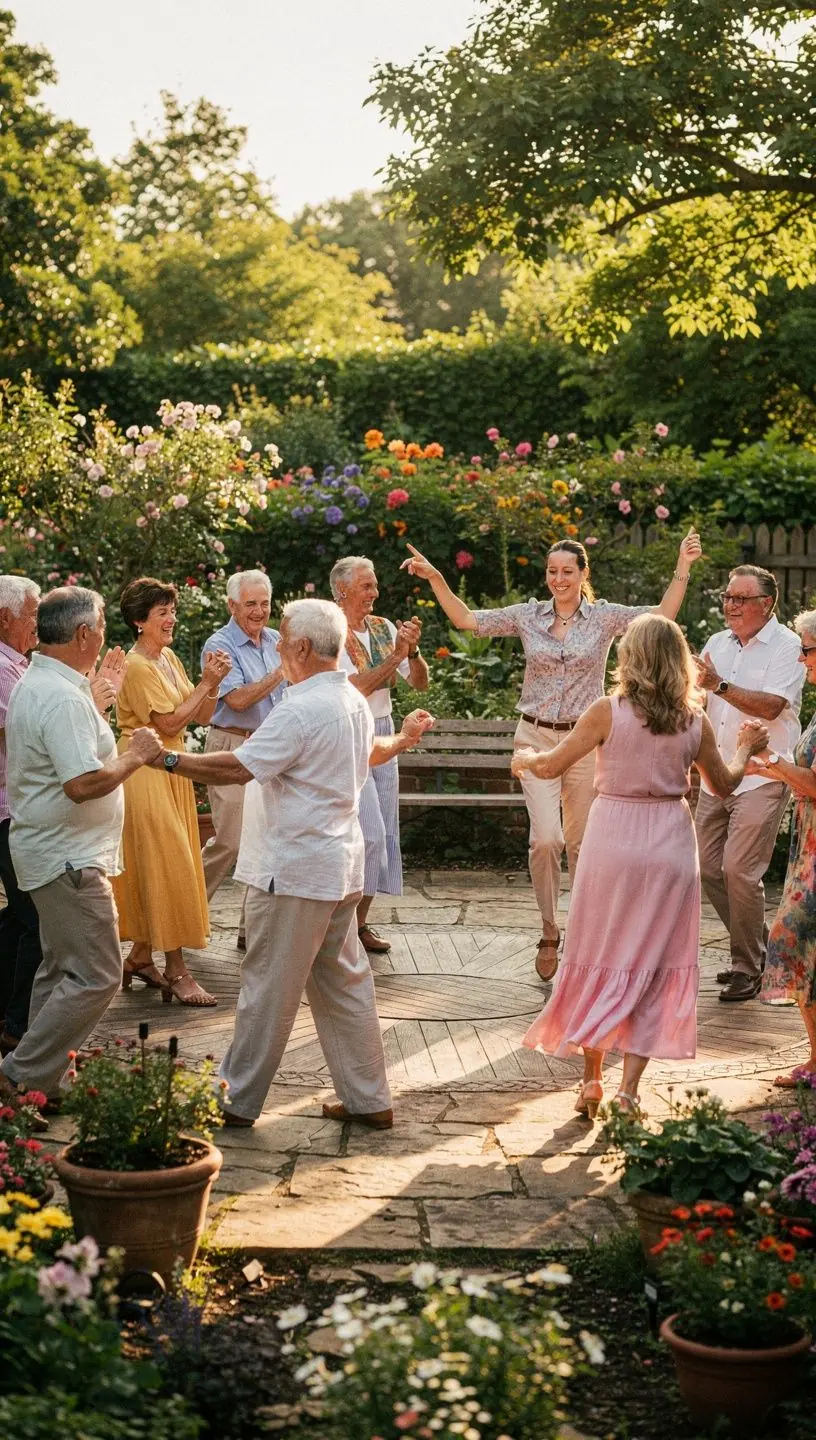
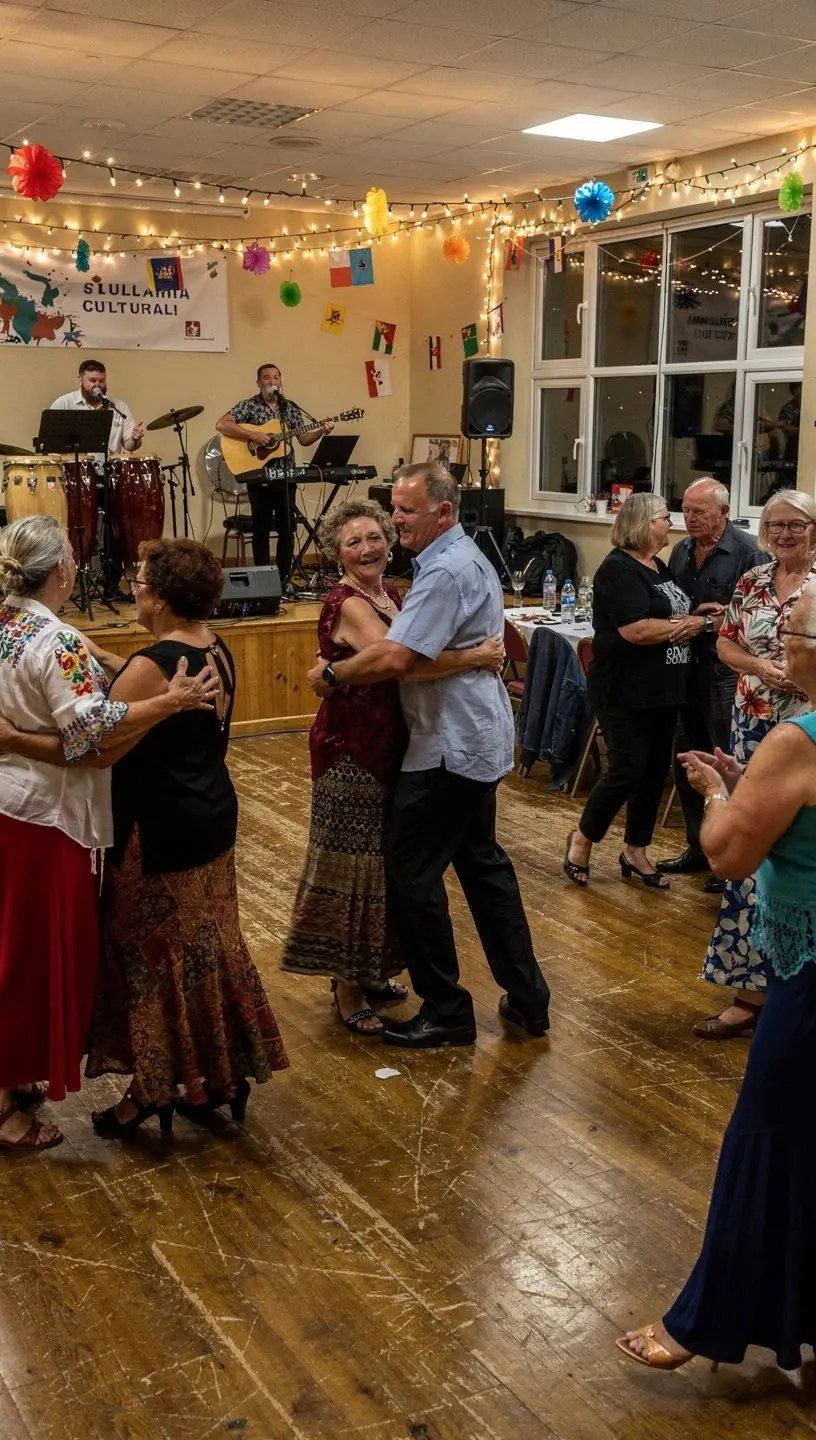
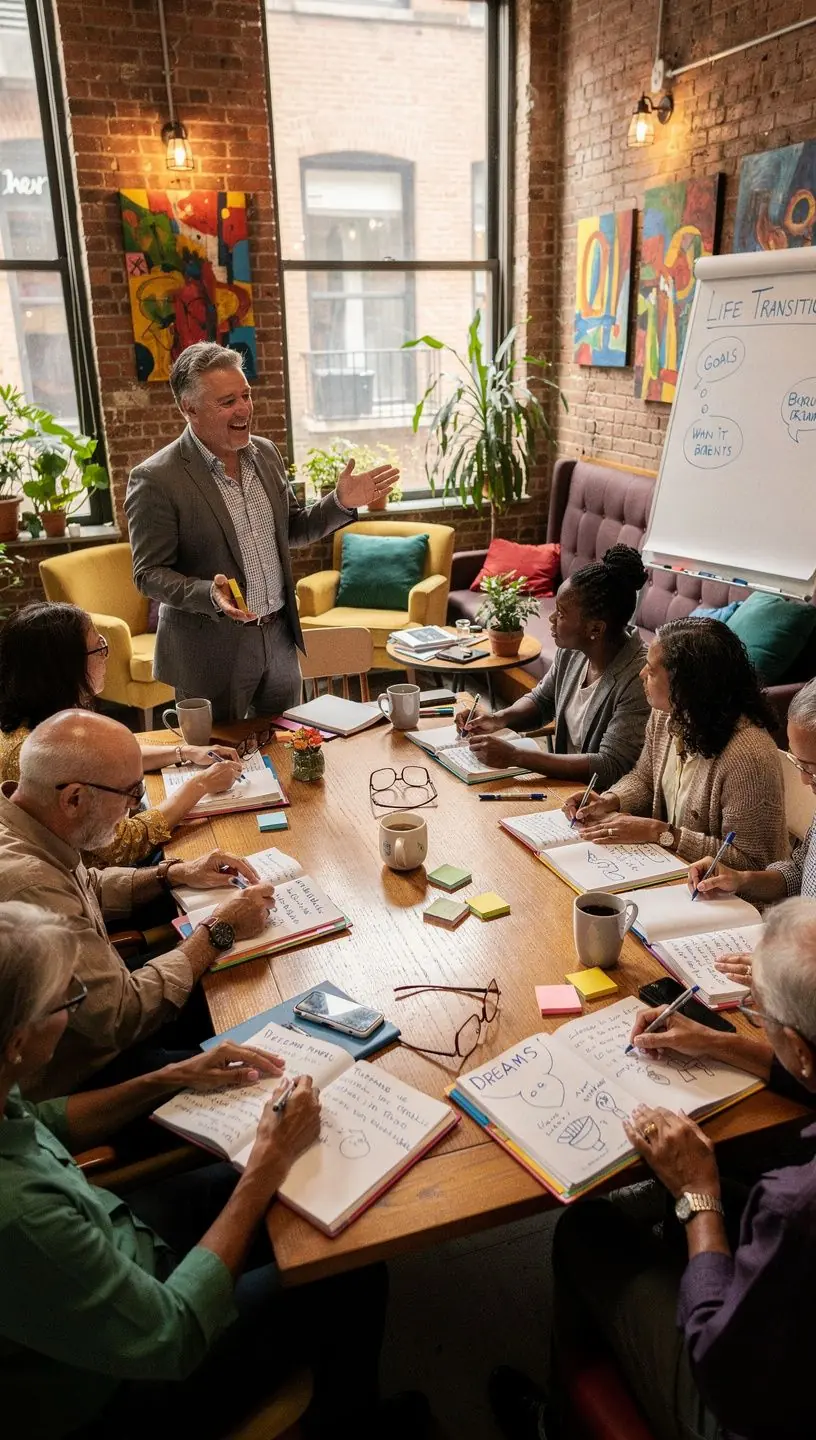
Group dance classes, particularly popular forms like bachata and salsa, serve as more than just a fun activity; they play a significant role in fostering social connections within communities. In Ireland, the integration of social dance events into life transition coaching programs is gaining traction, creating enriched environments for personal growth and community building.
The Social Benefits of Dance
According to research from the American Journal of Public Health, social activities such as dance classes can lead to improved mental health and well-being. Engaging in group dance not only promotes physical fitness but also enhances social interaction, which is crucial for emotional support and community ties. Studies show that participants often report feeling a sense of belonging, which is vital for mental health, especially during life transitions.
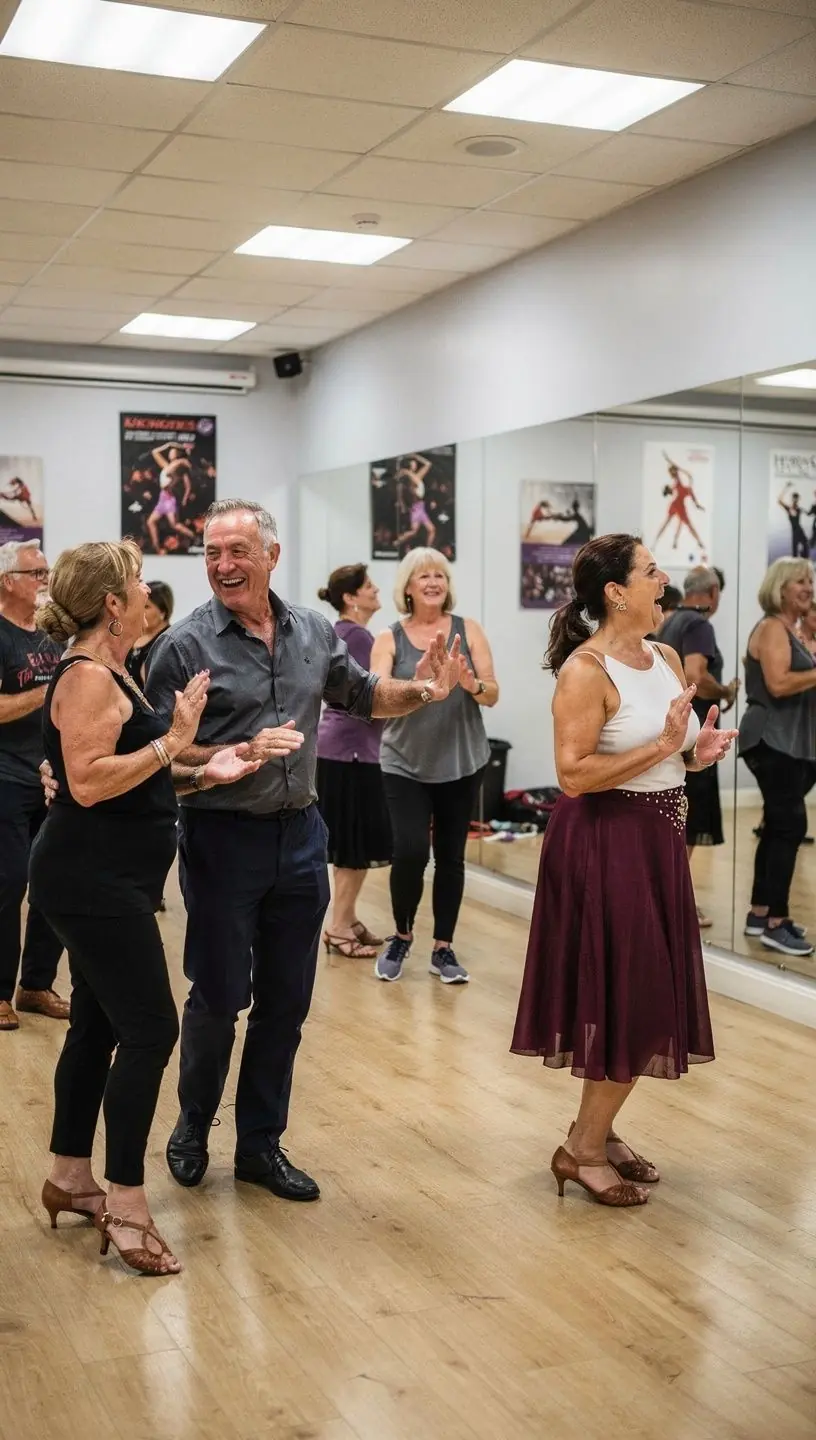
"Dance is a way to connect with others, express ourselves, and build lasting relationships." - Dance Therapist
How Dance Classes Build Community
- Shared Experiences: Group classes provide a common ground for individuals, creating shared experiences that foster friendships. Many users report that dancing together often leads to deeper conversations and connections outside of class.
- Encouraging Teamwork: Most dance forms require partners or groups, which encourages teamwork. This collaborative effort can help individuals develop trust and camaraderie, essential components of strong community relationships.
- Reducing Social Anxiety: For many, social dance classes serve as a safe space to meet new people and practice social skills. This can be particularly beneficial for those experiencing social anxiety, as the structured environment provides an easy entry point for interactions.
Understanding the Commitment
While group dance classes are beneficial, participants should be aware of the time commitment involved. Typically, noticeable improvements in social connections can take several weeks of consistent participation. Many experts recommend attending classes at least once a week to fully experience the social benefits.
Moreover, there is often a learning curve associated with mastering dance steps and rhythms. This may require dedication and practice outside of class. However, those who persevere often find that the rewards—both in dance proficiency and social connections—are well worth the effort.
Conclusion
In conclusion, group dance classes can effectively foster social connections, making them an essential component of life transition coaching programs. By participating in these classes, individuals not only improve their dance skills but also enhance their social networks, creating meaningful relationships within their communities. As users engage in shared experiences and teamwork, they often discover a supportive space that enriches their personal development.
Learn More