How to Create a Supportive Environment for Transitions
Transitioning through life changes can often feel overwhelming. However, building a supportive environment can significantly ease this journey. This article explores effective strategies to foster such an environment, especially within coaching centers that integrate social dance events like bachata and salsa.
Understanding the Importance of Supportive Environments
Creating a supportive environment is vital for individuals undergoing transitions. According to a study published in the Journal of Applied Psychology, social support can enhance emotional resilience and reduce stress during significant life changes. Many experts recommend that individuals surround themselves with positive influences, as this can contribute to a smoother transition process.
"A supportive environment not only boosts confidence but also encourages individuals to embrace change." – Social Psychologist
Key Elements of a Supportive Environment
To cultivate a nurturing atmosphere, consider the following key elements:
- Open Communication: Encourage honest discussions about feelings and challenges. Research indicates that transparent communication can lead to stronger relationships and better outcomes during transitions.
- Emotional Validation: Recognize the emotions involved in transitions. Acknowledging feelings can help individuals feel heard and understood, which is essential for emotional well-being.
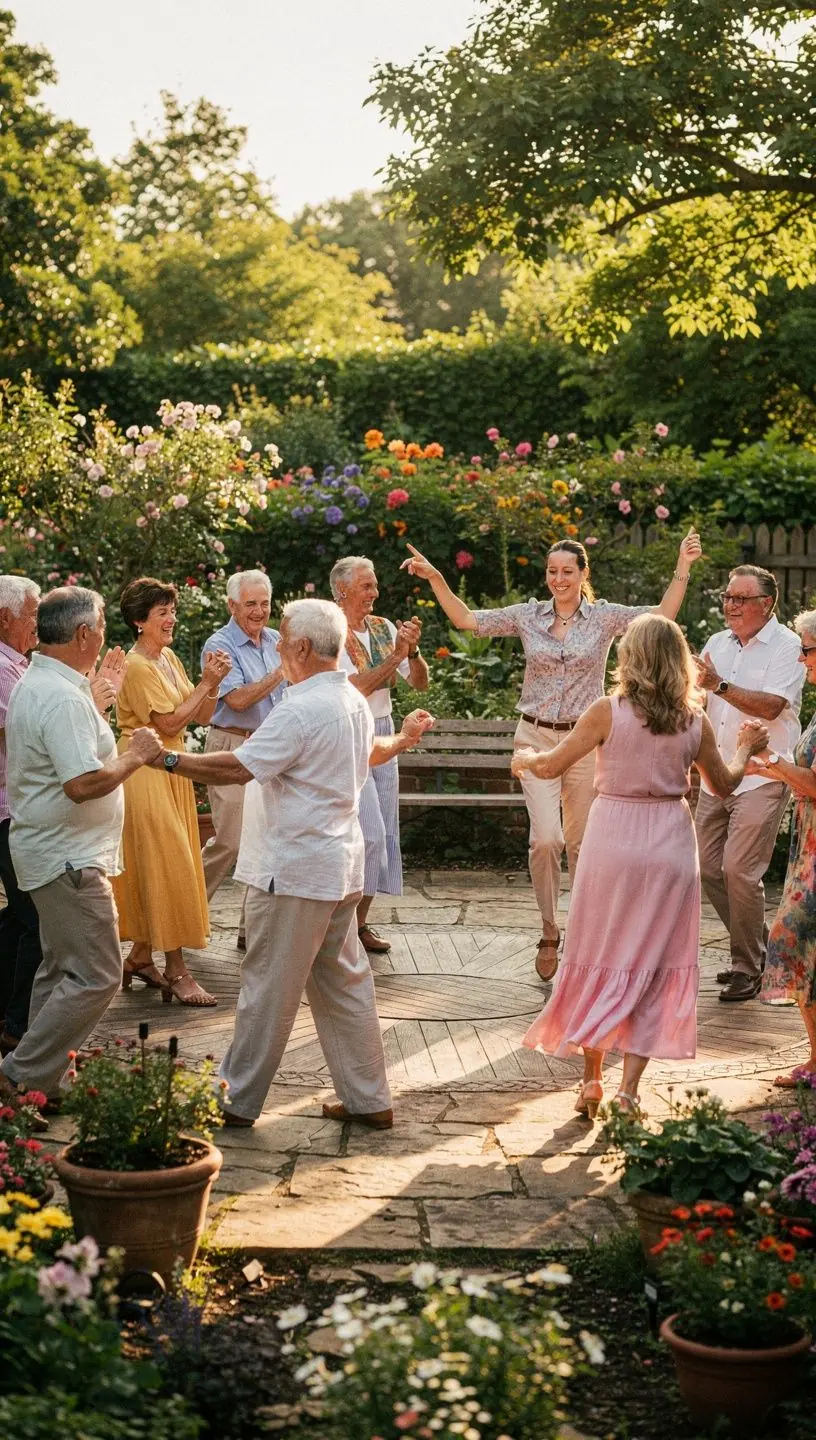
- Community Engagement: Participate in community activities, such as group dance classes. According to studies, engaging in social events fosters a sense of belonging and can reduce feelings of isolation.
Practical Steps to Foster Support
Implementing these practices can enhance the supportive nature of your environment:
- Organize Group Activities: Schedule regular events like salsa or bachata classes. These social dance events not only promote physical health but also create a community where individuals can connect and share experiences.
- Provide Resources: Offer access to coaching and counseling services. Many users report that structured guidance helps them navigate their transitions more effectively.
- Encourage Peer Support: Create opportunities for individuals to support each other. Research shows that peer support can lead to increased motivation and accountability, enhancing the transition experience.
Challenges and Realistic Expectations
While striving to create a supportive environment, it is important to acknowledge potential challenges:
- Building trust and fostering open communication typically takes time and consistent effort.
- Engagement in community activities requires a commitment that may feel daunting initially, especially for those who are introverted or unsure.
- Creating a supportive atmosphere may not be suitable for all individuals, particularly those who prefer solitude during their transition.
Conclusion
Establishing a supportive environment for transitions is a process that involves intentional actions and community involvement. By emphasizing open communication, emotional validation, and community engagement, individuals can find the support they need during life changes. Remember, creating such an environment is not instantaneous; it requires dedication and patience. Nevertheless, the rewards of a nurturing atmosphere can significantly enhance the transition experience, helping individuals feel empowered and connected.
Learn More