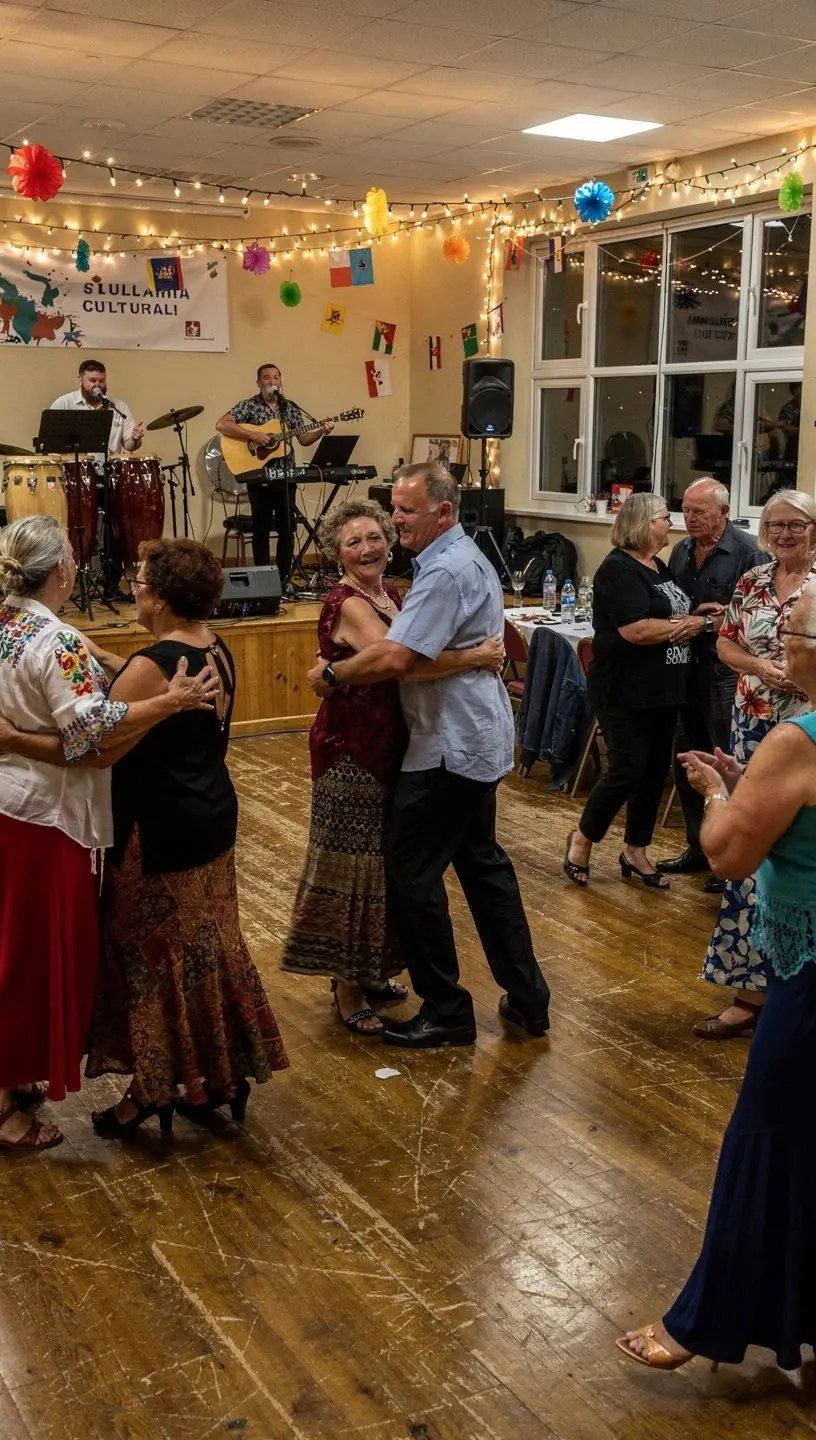
Exploring the Therapeutic Benefits of Dance
In recent years, dance has gained recognition not only as an art form but also as a valuable therapeutic tool. This article explores how participating in social dance events, particularly genres like salsa and bachata, can foster community connections and promote mental well-being.
Understanding the Therapeutic Effects of Dance
Research indicates that engaging in dance can have a multitude of psychological benefits. According to the American Dance Therapy Association, dance therapy integrates the emotional, cognitive, and physical aspects of the individual, allowing participants to express themselves creatively while addressing mental health concerns.

Experts recommend that dance can reduce symptoms of anxiety and depression. This is largely because movement often triggers the release of endorphins, commonly known as the "feel-good" hormones. As a result, many users report feeling uplifted and more connected to their emotions after a dance session.
"Dance is not just a form of expression; it can be a pathway to healing, offering a safe space for emotional exploration." – American Dance Therapy Association
The Role of Social Interaction in Dance Therapy
One of the unique aspects of social dance events is the emphasis on community building. Participating in group dance classes or social gatherings can foster connections among individuals, which is crucial for emotional health. Studies show that social engagement can improve overall well-being, while also helping to alleviate feelings of isolation that often accompany mental health struggles.
Key Benefits of Social Dance
- Enhanced social skills: Regular interaction through dance encourages effective communication, cooperation, and teamwork.
- Increased self-esteem: Learning dance steps and mastering them can boost confidence and pride in one’s abilities.
- Mindfulness and stress reduction: Dancing requires focus, which can divert attention from stressors and promote a state of mindfulness.
Addressing Limitations and Realistic Expectations
While dance can be an effective therapeutic tool, it’s important to acknowledge its limitations. For many, learning new dance styles requires time and practice—typically involving several weeks to feel comfortable on the dance floor. Additionally, the benefits of dance therapy are most pronounced when individuals engage regularly, often recommending at least 2-4 sessions per month.
It’s also worth noting that while dance can support mental health, it may not be suitable for everyone. Individuals with certain physical limitations or severe mental health conditions should seek guidance from a healthcare professional before participating in dance activities.
How to Get Started with Dance Therapy
If you’re interested in exploring the therapeutic benefits of dance, consider the following steps:
- Research local dance centers that offer classes in styles like salsa or bachata—many reputable centers provide introductory sessions.
- Attend a few classes to gauge your interest and comfort level; remember, it’s perfectly okay to start slow.
- Engage with fellow dancers to build your social network, enhancing the community aspect of your experience.
Conclusion
In summary, dance can serve as a powerful tool for personal expression and community engagement. The therapeutic benefits of social dance extend beyond mere physical activity, promoting emotional well-being and fostering connections among individuals. While results may vary and a commitment to practice is necessary, many find that the journey into dance is both rewarding and enriching. As you consider incorporating dance into your wellness routine, remember to keep your expectations realistic and embrace the joy of movement.
Learn More